
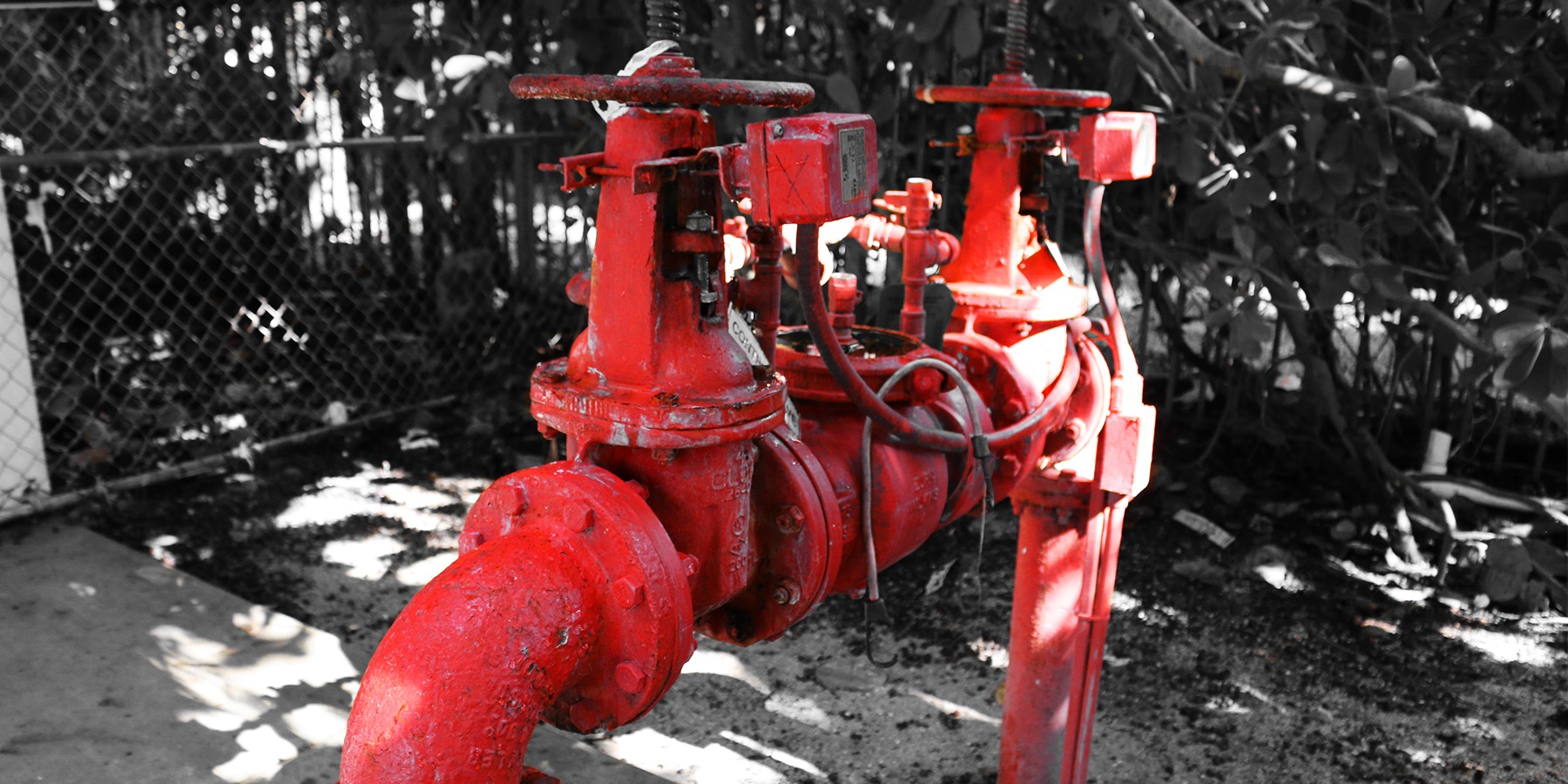
A fire sprinkler system is only as reliable as the components that keep it running safely. One overlooked device could mean the difference between clean water and costly contamination. Maintaining a safe and compliant fire sprinkler system starts with ensuring your backflow preventer is working properly. Hidden deep within your system, this safeguard works quietly year-round to protect both the integrity of your fire sprinkler water supply and the health of everyone who depends on it.
What is a Fire Sprinkler Backflow?
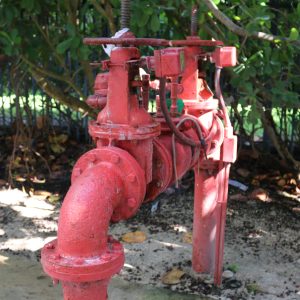 Backflow occurs when water flows in the opposite direction from what is intended, typically caused by an imbalance or sudden change in water pressure within the system. In the case of fire sprinklers, this means that instead of moving outward toward the sprinkler heads to fight a fire, water can reverse its course and travel back toward the building’s main water supply. This reversal isn’t just a technical problem—it can have serious consequences. Backflow has the potential to carry debris, chemicals, or other contaminants from the fire protection system into the public water supply, creating health hazards for anyone relying on that water. It can also interfere with the sprinkler system’s ability to deliver adequate water in an emergency, ultimately compromising its performance when it is needed most. Preventing backflow is therefore critical, both for ensuring the safety of the community’s drinking water and for maintaining a reliable, code-compliant fire protection system.
What are Backflow Preventers?
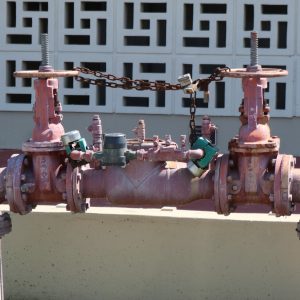 Fire sprinkler backflow preventers, or sprinkler backflow valves, are devices used in the sprinkler line that prevents the water from flowing in the wrong direction. Fire system backflow preventers act as barriers, directing the water only toward the fire protection system and restricting it from reversing into the public water supply. Two common backflow preventer types include:
- Double-check valves: A Double Check Valve Assembly consists of two check valves and a shut-off valve between them. This creates a layer of protection and is low hazard fire application.
- Reduced pressure zone (RPZ): RPZ assemblies provide more protection for high-hazard applications. They have two check valves and a relief valve in between, creating a zone with reduced pressure to prevent backflow.
Legal Requirements for Commercial Application Inspections
 Frequency of Inspections: According to NFPA 25, the frequency of sprinkler backflow valves may vary depending on their type and size. However backflow preventers should be inspected on an annual basis at a minimum and visually inspected on a weekly to monthly basis.
Testing: Backflow preventers are also required to be tested regularly to ensure their proper functioning. The testing frequency may vary based on the specific type and size of the backflow preventer. There are various types of tests that are required to be done, two of these tests are:
- Forward Flow Test – The forward flow test checks the ability of the backflow preventer to allow water to flow in the correct direction. The valves and components of the backflow preventer are checked to ensure they open and close correctly during the test. The test should be done at a designated flow rate and conducted according to NFPA standards. This test examines whether the system can get enough water supply in a fire condition.
- Backflow Performance Test – This test checks the performance of your backflow prevention devices to make sure that the water supply is protected from cross-contamination. The test is performed by sending higher-pressure water downstream of the backflow preventer to confirm if the device can prevent the reverse flow effectively.
Record Keeping: It is required that there are up-to-date records of all inspections, testing, and maintenance performed on backflow preventers. These records should be kept on file and made available for review by fire inspectors or authorities upon request.
Qualified Personnel: The inspection, testing, and maintenance of sprinkler backflow valves should be conducted by qualified and certified professionals with experience in backflow prevention systems.
Backflow Preventer Inspections with WSFP
 At WSFP, we take the safety and reliability of your fire protection system seriously, which is why we conduct thorough backflow preventer inspections in strict accordance with NFPA standards, local codes, and state regulations. Our certified and experienced technicians not only check that your devices are functioning correctly, but also look for signs of wear, damage, or potential issues that could impact system performance or compliance in the future. We work with you to create a tailored inspection schedule that meets both legal requirements and your building’s specific needs—whether that means weekly visual checks, monthly assessments, or more in-depth quarterly, semi-annual, or annual evaluations. During each visit, our team documents findings, provides clear reports for your records, and offers expert recommendations to keep your fire sprinkler system operating at its best. Partnering with WSFP ensures peace of mind, knowing your backflow preventers are properly maintained and ready to protect both your water supply and your property when it matters most. Contact us today to learn more about our backflow preventer inspections.