
Fire inspector jobs offer a direct path into a stable, mission-driven fire inspector career—without taking on student debt. Whether you are starting your career or making a change, you can get paid to learn on the job. At WSFP, a trusted leader in fire and life safety services, we hire for multiple fire inspector positions and support you with training, mentoring, and clear advancement. Below, see what a fire inspector does, how to qualify, and why this field delivers long-term opportunity with competitive pay and benefits.
What Does a Fire Inspector Do?
Fire inspectors protect people and property by verifying that buildings meet fire and life safety codes. They visit sites, review plans, test systems, and document compliance with local, state, and national standards, including NFPA codes. As a fire safety professional at WSFP, you will represent a team known for quality, integrity, and on-time reporting.
Common responsibilities include:
- Performing schedule and post installation inspections of fire protection and life safety systems.
- Identifying code-related deficiencies, document findings, and support corrective actions in coordination with customers and AHJs.
- Reviewing relevant project documentation, drawings, or system records as needed to support inspections.
- Evaluating system performance issues, identifying potential code gaps or system deficiencies, and recommending corrective actions.
- Writing reports, maintaining records, and communicating inspection results to contractors, building owners, and authorities having jurisdiction (AHJs).
Types of Fire Inspection Roles at WSFP
- Sprinkler, Suppression, or Alarm Inspector: Focuses on fire suppression systems or fire detection and notification systems.
- Inspection Technician: Has inspection capabilities and can carry out preventative maintenance.
Similar roles not offered at WSFP
- Field Inspector: Conducts on-site inspections and testing across multiple facilities.
- Public-Sector Fire Inspector or Fire Marshal/Deputy Fire Marshal: In municipal agencies or fire departments, roles such as Fire Marshal or Deputy Fire Marshal may oversee code enforcement, permitting, and public safety education.
Daily Life for Inspectors
Where inspectors work and when:
- Municipal agencies, fire departments, and code enforcement offices.
- Private fire protection contractors and third-party inspection firms like WSFP.
- Schedules are often weekdays, with occasional early starts. Some roles may include limited travel, rotating shifts, or on-call support for system impairments, emergency service needs, or acceptance testing.
No prior experience may be required for some entry-level fire inspector positions. A college degree is not required for many roles, and employers like WSFP may support eligible employees with paid training and certification opportunities. This allows employees to earn while they build in-demand skills as fire and life safety professionals.
Types of Inspectors
Fire inspection spans multiple systems. Many professionals start in one area and cross-train to expand their expertise and grow their fire inspector career.
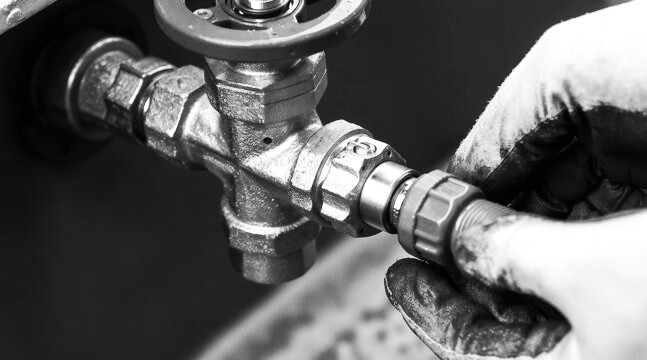
- Fire Sprinkler Inspectors: Verify water supplies, control valves, gauges, risers, flow switches, main drains, fire pumps, backflow preventers, sprinklers, and signage. They perform flow tests, exercise valves, and apply impairment tags when needed.
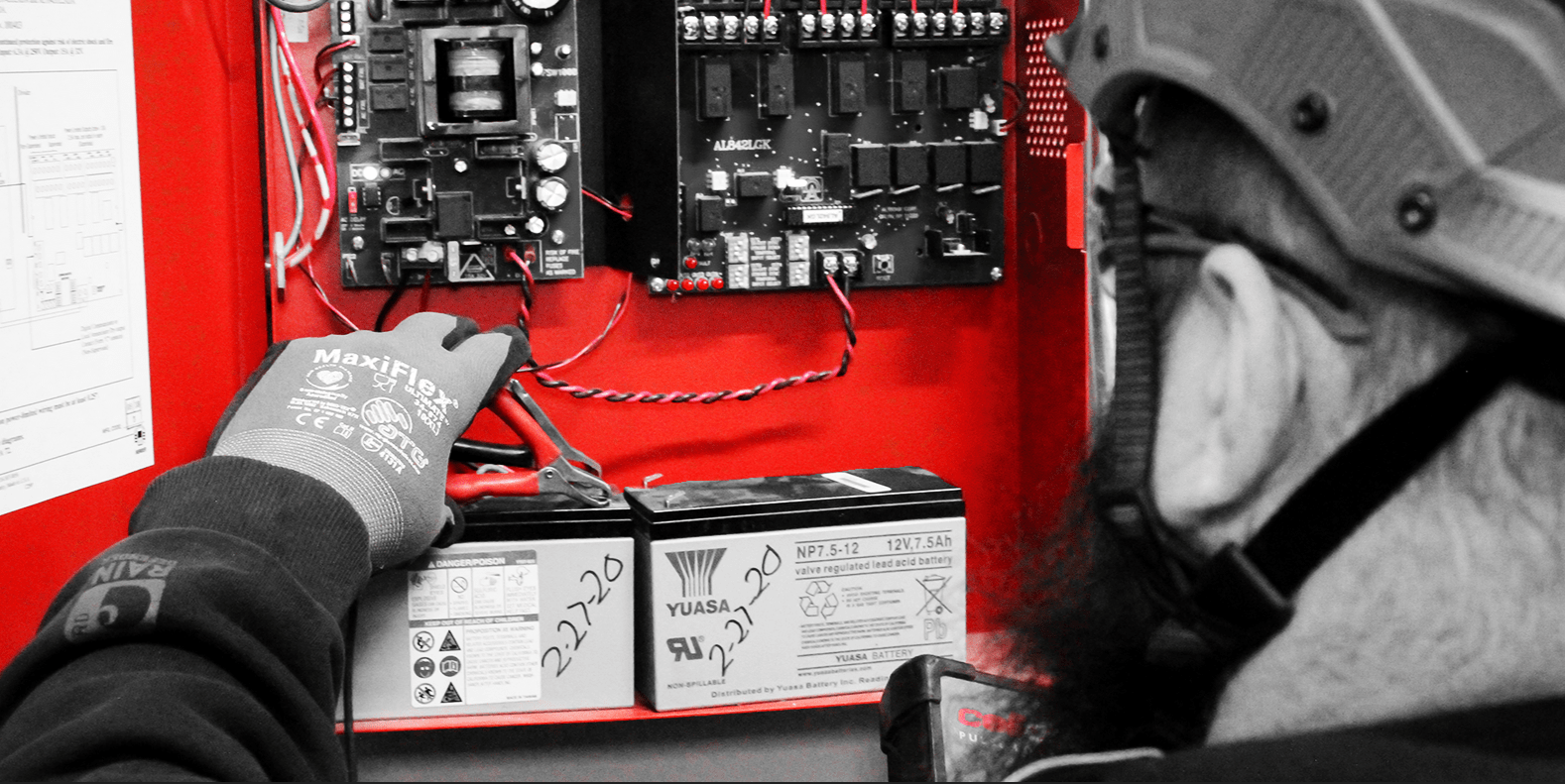
- Fire Alarm Inspectors: Test control panels, initiating devices (smoke, heat, duct detectors, pull stations), notification appliances (horns, strobes, speakers), power supplies, battery calculations, and monitoring signal transmission to central stations.
- Special Hazard Inspectors: Assess clean agent systems (FM-200, Novec 1230), CO2, kitchen hood wet chemical, foam, and water mist. They confirm hazard coverage, agent quantities, detection interlocks, and shutdown interfaces.
- Life Safety Equipment Inspectors: Check emergency lighting, exit signs, fire doors and dampers, egress paths, standpipes, portable extinguishers, fire hydrants, and fire-resistive features for proper operation and code compliance.

Core Job Functions
Fire inspectors blend fieldwork with documentation and customer communication. Day to day, you will:
- Perform visual inspections, functional testing, and acceptance tests using NFPA standards and manufacturer instructions.
- Document findings with clear notes, photos, and checklists; produce inspection reports and deficiency lists.
- Communicating documented deficiencies, recommended next steps, and applicable inspection requirements to customers; coordinating with technicians and contractors to support resolution.
- Verify system labels, maintenance tags, and records; update electronic inspection platforms and customer portals.
- Follow company policies, jobsite safety procedures, and PPE requirements, including lockout/tagout where applicable.
- Communicating with AHJs as authorized and appropriate, scheduling re-inspections when needed, and supporting timely follow-up.
- Maintain tools and test equipment; handle calibration and keep inventory organized.
At WSFP, you will join a fire safety professional network that shares best practices, supports fire inspector certification, and equips you with modern digital tools for efficient reporting.
How to Become a Fire Inspector
Getting started is straightforward, and most employers provide structured, paid training—no degree required. WSFP simplifies the path with guided onboarding and mentorship that accelerates your fire inspector career.
- Submit a resume and any relevant items, such as existing certifications, a driving record that meets company standards, and references. Use resume templates to highlight transferable skills like mechanical aptitude, customer service, and report writing.
- Complete interviews, which may include a skills assessment and a ride-along or job shadow to see the role in action.
- Begin hands-on training with industry experts, practice on live systems, and prepare for fire inspector certification such as NICET, state licenses, and manufacturer credentials—all while on payroll.
Most new hires follow an onboarding plan that blends classroom learning, field mentoring, and supervised inspections, ensuring you gain confidence and competence safely. This structure helps turn fire inspector jobs into long-term fire inspector positions with room to grow.

Pay, Benefits, and Career Growth
Fire inspection can offer competitive compensation, valuable benefits, and long-term career opportunity. Demand remains steady because codes require recurring inspections and documentation, creating consistent fire inspector jobs nationwide.
Compensation and benefits highlights at WSFP:
- Competitive hourly or salaried pay with overtime eligibility.
- Paid training and exam reimbursement; employer-supported continuing education and fire inspector certification pathways.
- Health, dental, vision, and life insurance; retirement plans with company match; paid time off; and holidays for eligible team members
- May include a company vehicle, or mileage reimbursement, along with job-related technology, tools, and uniforms, depending on position and location.
Resources available to help you succeed:
- Training support, study guides, and mentorship for NICET and state exams.
- Resume templates and sample job descriptions to streamline your application for fire inspector positions.
- Safety training, ride-alongs, and a clear competency roadmap from day one.
Apply to WSFP today to begin a fire inspector career that pays you to learn, safeguards communities, and builds skills you can use anywhere in the country. Leave the college loans alone and get paid to learn! Explore open fire inspector jobs and join a proven fire safety professional team committed to excellence.