
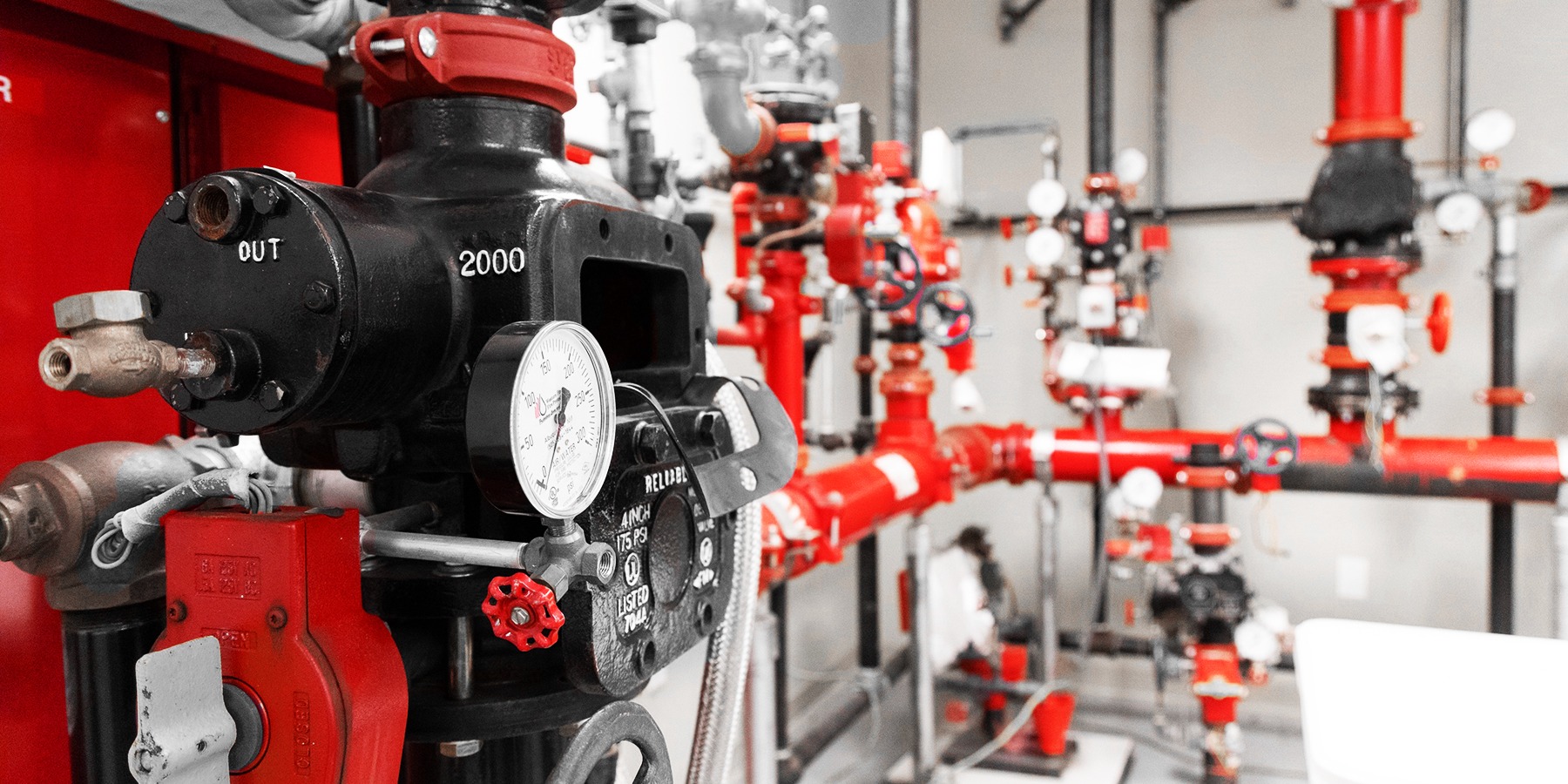
Choosing the right fire sprinkler system can make all the difference in protecting your building and its contents. From fast‑acting wet pipe designs to precision pre‑action systems that minimize water damage, each type offers unique advantages for different environments. Understanding how these systems work is the first step toward selecting the best protection for your property.
Fire Sprinkler Systems
Fire sprinklers come in a variety of forms, wet pipe systems being a common choice. Wet pipe sprinkler systems in their most basic form are pipes filled with water that once activated, can flow freely to extinguish a fire. They are very easy to install and maintain, adding to their popularity.
As the most basic type of sprinkler, wet pipe systems are the most affordable and effective option. There isn’t any delay in the release of the water, making them the perfect choice for buildings where fire can spread easily and excessive water damage isn’t a primary concern.
Pre-action Systems
 Pre-action fire sprinkler systems consist of pipes that are filled with compressed air and closed sprinkler heads. The valves hold the water source from the pipe system and open once the system is activated. If a fire is detected, the pre-action valves are activated and water fills the pipes and is then a wet-pipe system. Each sprinkler head is then opened individually upon necessity.
Reducing the damage caused by unnecessary sprinkler deployment is the primary reason for pre-action systems. If the fire is contained in a small area and easily extinguished by only a few sprinklers, the amount of water released into the building is minimized. In buildings with many assets that will be damaged by water, pre-action sprinklers are worth the investment.
Pipe freezing, corrosion, or damage that causes water to leak is another reason pre-action sprinklers can minimize water damage to the building. If pipes aren’t properly maintained, inspected and temperature regulated, they could burst or break releasing water everywhere. Pre-action systems are dry pipe systems, meaning they don’t contain any water, protecting the building from accidental water damage.
Which one is best for your application?
Choosing a sprinkler system that is right for your specific application can be tricky, especially with multiple options that offer different levels of protection and varying benefits. Factors like building layout, potential fire risks, stored assets, and even environmental conditions can all play a role in determining the best solution. That’s why you can trust the fire protection experts at WSFP to guide you through every step of the process. Our team has the knowledge and experience to plan, design, implement, and service all of your fire protection needs across the United States. We take the time to assess your building in detail, evaluate your unique risks, and understand the value of the assets you’re protecting. From there, we’ll recommend and install the sprinkler system that not only meets code requirements but also provides the highest level of safety and reliability for your specific situation. Contact us today!