

Fire alarm and fire detection systems are an essential part of the life safety system for any building. Whether you have a commercial, residential or industrial facility, it is important that all of the components of your fire alarm and fire detection system can work together to protect the lives of people within the facility. So, what are the components of a fire alarm system?
Basic Fire Alarm System Components

A fire alarm system relies on several key components working together to quickly detect a fire and alert building occupants to take action. From initiating devices that sense smoke or heat, to notification appliances that sound the alarm, each part plays a critical role in ensuring a fast and coordinated response. When these systems are properly designed, installed, and maintained, they give people the crucial time needed to evacuate safely and help minimize damage to the property.
Those would include:
- Control panel
- Initiating devices
- Notification devices
- Primary power supply
- Backup power supply
Components of a Fire Alarm Breakdown
Control Panel
The control panel is the central hub of the alarm system. The control panel acts as the brain of the alarm system by monitoring and managing the initiation devices. When an initiation device is triggered, a signal is sent to the control panel, and the control panel activates the notification devices. The status of the system is displayed on the control panel and allows you to see when an issue is detected and allows you to control it manually.
Initiating Devices
The role of the alarm initiating devices is to activate the system when a fire occurs. There are two types of fire alarm initiating devices:
- Manual initiating devices – These devices include pull stations, break glass stations or buttons that need to be manually activated by someone in the building when they identify a fire. Manual initiating devices need to be well marked and accessible to make it easy to identify and use.
- Automatic initiating devices – automatic initiation devices trigger the fire alarm system automatically when a fire happens. These devices include heat, flame and smoke detection. When heat, flames or smoke is detected, the devices send a signal to a central control panel that activates the system.
Notification Devices
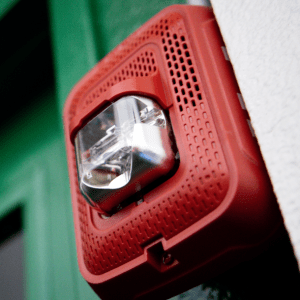 The role of notification devices in an alarm system is to notify building occupants when a fire is detected. Some notification devices include:
- Bells
- Strobes
- Horns
- Chimes
Primary Power Supply
The primary power supply for your system is supplied by your power company. The primary power supply is typically 120- or 240-volt AC power sources.
Backup Power Supply
In the event of a power failure, your system still needs to work in order to alert people if a fire occurs. A backup power supply is an important part of any fire alarm and detection system. The backup power supply includes 6- or 12-volt batteries to keep the system running when a power failure happens.
Other Important Components
In addition to detection and alarms, several other components play a vital role in a building’s life safety system, ensuring fires are controlled and occupants can evacuate quickly and safely:
- Sprinkler systems – No life safety system is complete without fire sprinklers. When a fire is detected, the fire sprinkler system is activated to suppress or extinguish a fire.
- Exit lighting – When a fire occurs, people need to be able to get out safely. Having a lights to show people how to exit safely is very important.
- Alarm monitoring – Having a monitored alarm system alerts the authorities when the system is activated.
- Voice communication systems – Voice communication systems give verbal commands to building occupants telling them what to do during an emergency situation. Voice communication is especially helpful in high rise buildings, arenas and hospitals.
- Remote controls and display panels – In a larger building such as a high rise building with a lot of floors, having remote controls and display panels throughout the building can be helpful. These devices allow personnel to easily check, activate, and deactivate alarms from remote part of the building.
WSFP Installs and Services Fire Alarm Systems
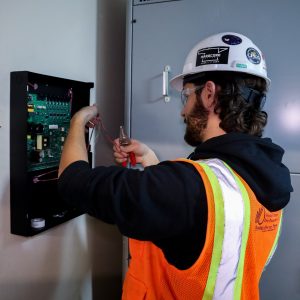 Western States Fire Protection offers complete installation and servicing of fire alarm and fire detection systems, providing solutions tailored to the unique needs of your facility. Whether you’re looking for a simple, reliable alarm for a small building or a comprehensive, networked system for a large campus, our experienced team can design and implement a system that meets all safety requirements and code standards. We handle every stage of the process—from planning and installation to routine inspections, testing, and prompt repairs—to keep your fire alarms functioning at peak performance. Our technicians are trained to service and repair all system components, ensuring your alarms provide dependable protection when it matters most.
With WSFP, you get a partner dedicated to life safety, compliance, and peace of mind. Contact us today to learn more about our installation, maintenance, or repair services.